When Biology Becomes Difficult to Reproduce
Pancreatic cancer remains one of the most formidable challenges in modern oncology. Despite significant advances in molecular biology, precision medicine, and therapeutic development, survival rates remain disappointingly low compared with many other solid tumors.
The difficulty does not arise solely from the aggressiveness of the disease itself. It also stems from our limited ability to reproduce the biological complexity of pancreatic tumors in the laboratory.
For decades, researchers have relied on simplified experimental models to understand tumor progression and evaluate potential therapies. While these systems have generated invaluable insights, they often fail to capture the intricate architecture and cellular interactions that define real tumors.
As a consequence, promising therapeutic candidates frequently demonstrate encouraging results during preclinical testing but struggle to reproduce the same efficacy in patients.
This disconnect has fueled a growing interest in developing experimental models capable of better reflecting the reality of human disease.
The Hidden Complexity of Pancreatic Tumors
Unlike many cancers that are primarily composed of malignant cells, pancreatic tumors are highly organized biological ecosystems.
Cancer cells coexist with fibroblasts, immune populations, extracellular matrix components, signaling molecules, and vascular structures. Together, these elements form a dynamic microenvironment that continuously influences tumor growth, invasion, immune escape, and therapeutic response.
In many cases, the surrounding stromal compartment occupies a larger volume than the tumor cells themselves.
This dense and highly structured environment creates physical and biological barriers that profoundly affect drug penetration and treatment efficacy. It also contributes to the remarkable resistance that characterizes pancreatic cancer.
Understanding these interactions has become one of the central objectives of contemporary cancer research.
Why Flat Cell Cultures Are No Longer Enough
Traditional cell culture systems were designed to maximize simplicity and reproducibility.
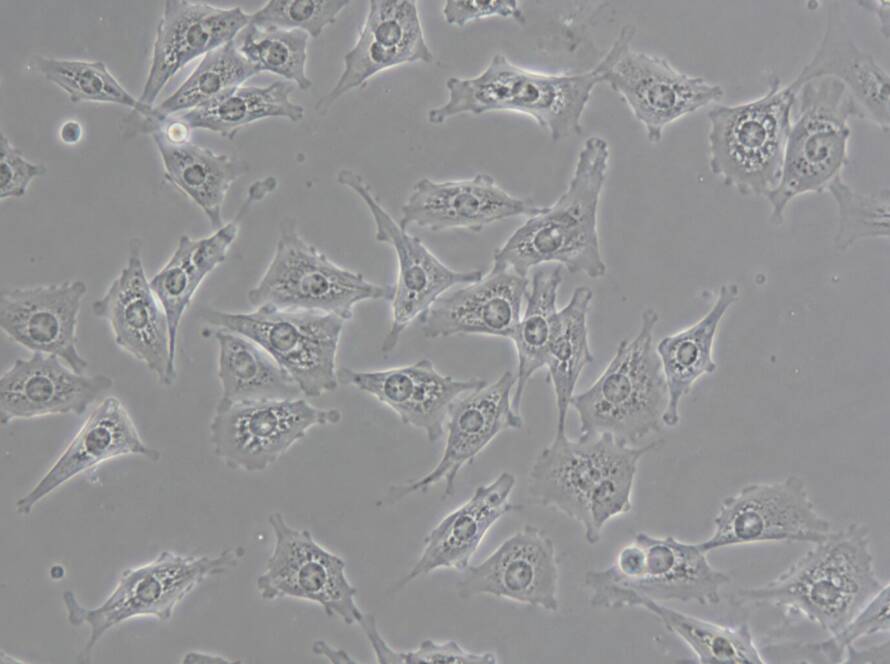
Cells are typically grown as monolayers attached to plastic surfaces, where nutrients and oxygen are distributed uniformly and where cellular interactions remain relatively limited.
Although this approach remains useful for many applications, it does not accurately reflect the spatial organization of living tissues.
Within a tumor, cells experience constantly changing environmental conditions. Oxygen availability decreases with distance from blood vessels. Nutrient concentrations fluctuate. Mechanical forces influence cellular behavior. Signaling gradients emerge naturally within the tissue.
None of these features are adequately reproduced in conventional two-dimensional culture systems.
As researchers increasingly seek predictive models for drug discovery and translational oncology, the limitations of flat cultures have become impossible to ignore.
Rebuilding Tumors in Three Dimensions
The emergence of three-dimensional culture systems represents one of the most significant developments in cancer modeling over the past decade.
By allowing cells to self-organize into multicellular structures, these models begin to recreate essential aspects of tumor biology that are absent in conventional cultures.
Cells establish complex interactions with their neighbors. Gradients of oxygen and nutrients progressively develop. Metabolic heterogeneity emerges. Regions of hypoxia appear naturally within larger structures.
Most importantly, cellular behavior becomes markedly different.
Cancer cells cultured in three dimensions often display molecular signatures, metabolic profiles, and therapeutic responses that more closely resemble those observed in patients.
This increased physiological relevance explains why three-dimensional models are becoming increasingly important in both academic research and pharmaceutical development.
The Next Challenge: Reproducibility
While three-dimensional models provide a more realistic representation of tumor biology, they also introduce new technical challenges.
Generating complex cellular structures is only the first step.
Ensuring that these structures remain consistent from one experiment to another is equally important.
Researchers frequently observe significant variability in aggregate size, morphology, internal organization, and growth dynamics. Small differences in culture conditions can produce substantial biological variations, ultimately affecting experimental outcomes.
This issue becomes particularly critical when studies are intended to support drug discovery programs or translational applications.
A model that cannot be reproduced reliably cannot serve as a robust decision-making tool.
Consequently, improving standardization is rapidly becoming one of the major priorities in advanced cell culture research.
From Biological Models to Biological Manufacturing
The evolution of cancer models is progressively shifting the focus from biology alone toward a broader integration of biology and engineering.
Researchers are increasingly recognizing that the physical environment surrounding cells plays a decisive role in determining experimental success.
Culture dynamics, oxygen transfer, nutrient distribution, aggregate stability, and mechanical stress all influence the quality and relevance of three-dimensional models.
The challenge is therefore no longer limited to growing cells.
It involves creating controlled environments capable of supporting the formation of biologically meaningful structures while minimizing unwanted variability.
This transition marks an important change in the field. Advanced in vitro models are no longer viewed solely as biological systems. They are becoming engineered biological platforms whose performance depends as much on culture conditions as on the cells themselves.
Toward the Future of Predictive Oncology
The future of cancer research will increasingly depend on our ability to reproduce disease with greater accuracy.
As experimental models continue to evolve, the objective is no longer simply to culture cells but to recreate functional biological systems that capture the complexity of human tissues.
Achieving this goal will require continued innovation across multiple disciplines, including cell biology, bioengineering, biomaterials, fluid dynamics, and bioprocess development.
The convergence of these fields is opening the door to a new generation of experimental models capable of delivering more predictive data, reducing translational failure, and accelerating the development of effective therapies.
In this context, advances in three-dimensional culture technologies may prove just as important as advances in therapeutic discovery itself.