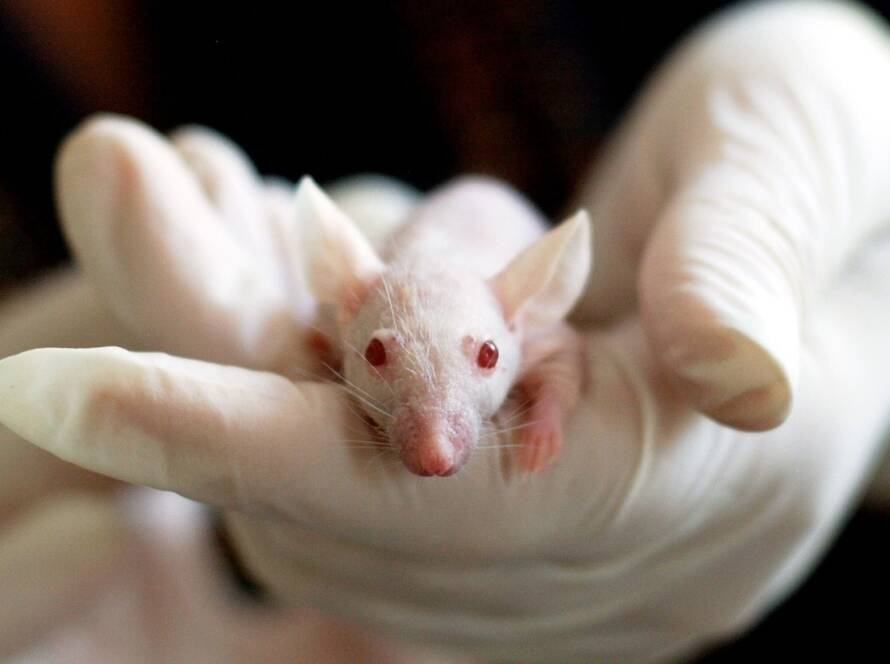
CAR-NK cells are emerging as a promising approach in cancer immunotherapy. By combining the natural cytotoxic activity of natural killer cells with engineered antigen recognition, these therapies aim to improve the targeting of malignant cells.
While cellular immunotherapies have achieved important advances in blood cancers, solid tumors remain difficult to treat. Their complex microenvironment can restrict immune cell infiltration, suppress cytotoxic activity, and promote treatment resistance.
Recent advances in CAR-NK cell engineering are opening new possibilities. Researchers are developing strategies to improve immune cell persistence, overcome tumor-associated barriers, and enhance therapeutic specificity.
At the same time, more representative 3D tumor models are becoming increasingly important for evaluating these approaches before clinical translation.
Understanding CAR-NK Cells and Their Antitumor Activity
Natural killer (NK) cells are essential components of the innate immune system. They recognize and eliminate abnormal cells without requiring prior exposure to a specific antigen.
Their antitumor activity relies on several complementary mechanisms.
First, NK cells release perforin and granzymes, which trigger apoptosis in target cells. They can also activate death receptor pathways through molecules such as Fas ligand and TRAIL.
In addition, NK cells mediate antibody-dependent cellular cytotoxicity (ADCC) through the CD16 receptor.
CAR engineering adds another layer of specificity. By introducing a chimeric antigen receptor, researchers enable NK cells to recognize selected tumor-associated antigens.
This combination brings together natural immune surveillance and engineered tumor recognition.
Furthermore, CAR-NK cells offer potential safety advantages. Clinical experience suggests lower risks of severe cytokine release syndrome and graft-versus-host disease than those associated with some other adoptive cellular therapies.
These characteristics also support the development of allogeneic, off-the-shelf cell therapies.
However, translating these advantages into consistent clinical efficacy against solid tumors remains challenging.
Why Solid Tumors Remain Difficult to Target
The tumor microenvironment (TME) represents one of the main obstacles to effective CAR-NK therapy.
Unlike circulating malignant cells, solid tumors develop within complex tissues. These tissues contain cancer cells, immune populations, stromal cells, extracellular matrix components, and abnormal vascular structures.
Together, these elements create several barriers to immune cell activity.
Immunosuppressive Cellular Interactions
Solid tumors frequently contain regulatory T cells, tumor-associated macrophages, and myeloid-derived suppressor cells.
These populations can release inhibitory molecules that reduce NK cell activation and cytotoxicity.
For example, transforming growth factor-beta (TGF-β) suppresses important NK cell functions. Other mechanisms involve oxidative stress, adenosine accumulation, and metabolic competition.
Consequently, CAR-NK cells may lose activity even after successfully reaching the tumor.
Limited Tumor Infiltration
Physical barriers also restrict immune cell access.
A dense extracellular matrix (ECM) can prevent NK cells from penetrating tumor tissue. Meanwhile, abnormal blood vessels and reduced oxygen availability further complicate immune cell trafficking.
Chemokine signaling introduces another challenge. If CAR-NK cells lack the appropriate receptors, they may not migrate efficiently toward tumor-associated signals.
Therefore, improving tumor infiltration is essential for achieving stronger therapeutic responses.
Antigen Heterogeneity and Immune Escape
Solid tumors often contain genetically and phenotypically distinct cancer cell populations.
As a result, not every malignant cell expresses the same surface antigen.
A CAR-NK therapy targeting a single antigen may eliminate one population while leaving other tumor cells unaffected.
This phenomenon, known as antigen escape, can contribute to treatment resistance.
Addressing tumor heterogeneity has therefore become a major objective in next-generation CAR-NK development.
Engineering CAR-NK Cells to Overcome Tumor Resistance
Advances in cellular engineering are helping researchers address these limitations.
Several approaches focus on improving the ability of CAR-NK cells to recognize tumors, maintain their activity, and function within hostile biological environments.
Multi-Antigen Recognition
One strategy involves engineering CAR-NK cells to recognize multiple tumor-associated antigens.
Dual-target and multi-specific CAR designs can broaden tumor recognition and reduce the risk of antigen-negative escape.
Some designs use logic-based activation mechanisms.
For example, OR-gated systems respond when either of two target antigens is present. In contrast, AND-gated approaches require multiple recognition signals before activating the engineered cell.
These strategies may improve tumor coverage or selectivity, depending on the receptor architecture.
However, their added complexity requires careful functional and safety evaluation.
Improving CAR-NK Cell Persistence
Another challenge is the relatively short persistence of NK cells after administration.
Researchers are investigating cytokine-supported CAR-NK designs to extend their survival and maintain cytotoxic function.
Interleukin-15 (IL-15) plays a particularly important role in NK cell development, proliferation, and activation.
Engineering CAR-NK cells with localized or cell-intrinsic cytokine support may reduce their dependence on external stimulation.
In parallel, cytokine-induced memory-like NK cells offer another promising direction.
These cells undergo functional reprogramming after exposure to selected cytokines. Consequently, they can display enhanced responses upon subsequent stimulation.
Combining memory-like characteristics with CAR engineering may improve antitumor activity and functional persistence.
Resistance to Immunosuppressive Signals
Researchers are also modifying CAR-NK cells to resist inhibitory conditions within tumors.
For example, disrupting TGF-β signaling may help preserve cytotoxic activity in suppressive environments.
Other strategies target inhibitory receptors, oxidative stress pathways, and metabolic dysfunction.
Mitochondrial function is especially important because NK cells require sufficient energy to maintain their effector activity.
Therefore, improving metabolic fitness could help CAR-NK cells remain functional under hypoxic and nutrient-limited conditions.
These approaches remain areas of active investigation, particularly for solid tumor applications.
Improving CAR-NK Cell Trafficking and Tumor Penetration
Effective tumor recognition is not sufficient if immune cells cannot reach malignant tissue.
For this reason, researchers are exploring strategies that improve CAR-NK migration and infiltration.
One approach involves modifying chemokine receptor expression.
By aligning immune cell receptors with chemokines produced by tumors, researchers aim to improve the recruitment of engineered NK cells.
Another strategy focuses on overcoming extracellular matrix barriers.
Engineering immune cells with selected matrix-degrading functions may facilitate movement through dense tumor-associated structures.
In addition, local delivery approaches can place CAR-NK cells closer to their intended targets.
These methods may reduce some of the obstacles associated with systemic administration.
Nevertheless, their effectiveness depends on tumor location, tissue organization, and the biological characteristics of each cancer model.
Combining CAR-NK Cells With Complementary Cancer Therapies
Combination strategies represent another important direction in CAR-NK research.
Rather than relying exclusively on engineered immune cells, researchers are investigating how complementary treatments can modify tumor susceptibility.
For example, selected chemotherapy regimens may increase tumor cell sensitivity to immune-mediated killing.
Radiotherapy can also influence tumor-associated signaling pathways and immune cell recruitment.
Furthermore, immune checkpoint inhibitors may help counteract inhibitory signals in certain biological contexts.
Antibody-based approaches offer additional possibilities through NK cell-mediated ADCC.
These combinations aim to improve immune cell activity while addressing different mechanisms of tumor resistance.
However, the optimal treatment sequence, dosage, and safety profile remain under investigation.
Most importantly, promising preclinical combinations still require rigorous clinical validation.
The Importance of 3D Tumor Models in CAR-NK Research
As CAR-NK therapies become more sophisticated, experimental models must also evolve.
Traditional two-dimensional cell cultures provide valuable information about cellular mechanisms. However, they cannot fully reproduce the spatial organization and biological complexity of solid tumors.
Three-dimensional tumor models offer additional opportunities to study immune cell behavior.
Tumor spheroids, patient-derived organoids, and multicellular tumor models can reproduce selected characteristics of tumor architecture.
These include cell-to-cell interactions, nutrient gradients, and aspects of the extracellular environment.
Consequently, 3D models can help researchers investigate several important questions.
How efficiently do CAR-NK cells penetrate tumor structures? How does antigen distribution influence immune recognition? Which microenvironmental conditions contribute to reduced cytotoxicity?
Furthermore, multicellular models can support investigations involving tumor cells, stromal populations, and immune cells within the same experimental environment.
Such approaches are particularly relevant for studying immune cell infiltration, tumor heterogeneity, and treatment resistance.
Nevertheless, no single 3D model reproduces every characteristic of a human tumor. Experimental findings must therefore be interpreted according to each model’s biological limitations.
Controlled 3D Cell Culture and Experimental Reproducibility
The increasing complexity of CAR-NK research also highlights the importance of reliable cell culture conditions.
Researchers must preserve cellular viability, phenotype, and functional activity throughout experimental workflows.
For tumor models, maintaining consistent aggregate organization and cellular composition is equally important.
Moreover, differences in culture conditions can influence cell behavior and complicate comparisons between experiments.
Controlled 3D cell culture may help address some of these challenges by providing more consistent conditions for selected cellular models.
Low-shear culture environments are particularly relevant when working with shear-sensitive cells or delicate multicellular structures.
For example, Cellura’s SoftXS™ technology provides a controlled, low-shear approach to three-dimensional cell culture.
Its potential relevance to CAR-NK research lies in supporting the development and characterization of suitable cellular models, where compatibility has been established.
However, specific applications involving CAR-NK expansion, immune cell potency, or CAR-NK and tumoroid co-culture require dedicated experimental validation.
As a result, culture technologies should be evaluated according to the biological requirements of each application.
From Experimental Models to Clinical Translation
Beyond therapeutic engineering, CAR-NK development faces important manufacturing challenges.
Cell source selection, expansion efficiency, genetic modification, and cryopreservation can all influence the characteristics of the final product.
Researchers are investigating several cellular sources, including peripheral blood, cord blood, and induced pluripotent stem cells (iPSCs).
iPSC-derived NK cells are especially interesting because they may support more standardized starting materials for engineered cell production.
However, differentiation efficiency, functional consistency, and manufacturing costs remain important considerations.
In parallel, quality control methods must accurately assess NK cell identity, viability, and antitumor potency.
Standardized experimental systems are therefore essential for comparing therapeutic candidates and supporting process development.
Advanced 3D tumor models may also contribute to preclinical evaluation by providing complementary information about immune cell activity in complex tissue environments.
Together, these developments could improve the connection between cellular engineering, experimental characterization, and clinical translation.
Toward the Next Generation of CAR-NK Immunotherapy
CAR-NK cell therapy represents a promising direction in the treatment of solid tumors.
Its development combines innate immune cytotoxicity with increasingly sophisticated cellular engineering.
Multi-antigen recognition, cytokine-supported persistence, metabolic adaptation, and improved tumor trafficking are among the most important research priorities.
However, significant challenges remain.
Researchers must overcome tumor-associated immunosuppression, improve functional persistence, and demonstrate reproducible therapeutic activity.
At the same time, more representative 3D tumor models and standardized experimental approaches will be essential for understanding how engineered immune cells behave in complex biological environments.
Continued progress in cellular engineering, tumor modeling, and bioprocess development could help translate the potential of CAR-NK cells into more effective cancer immunotherapies.