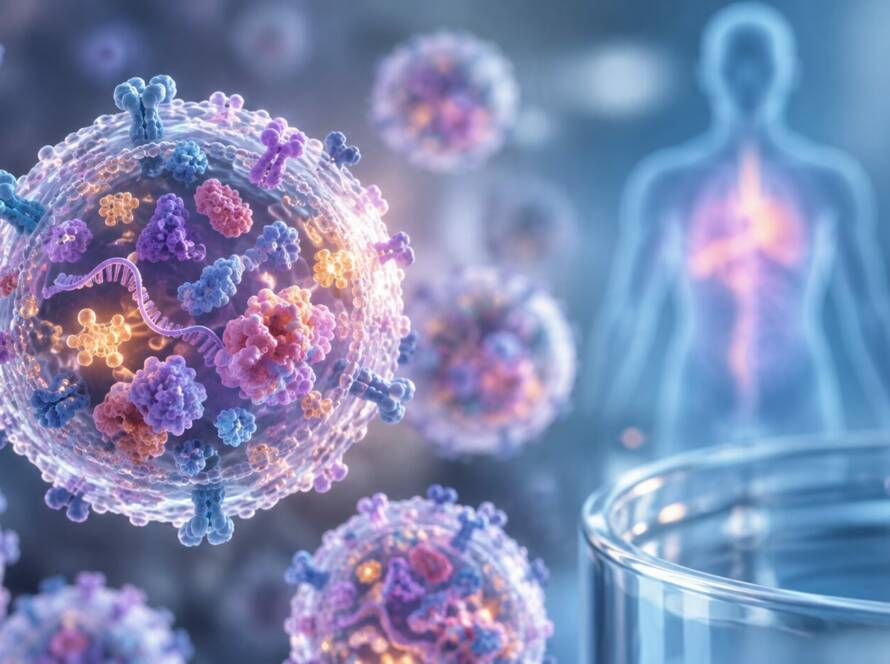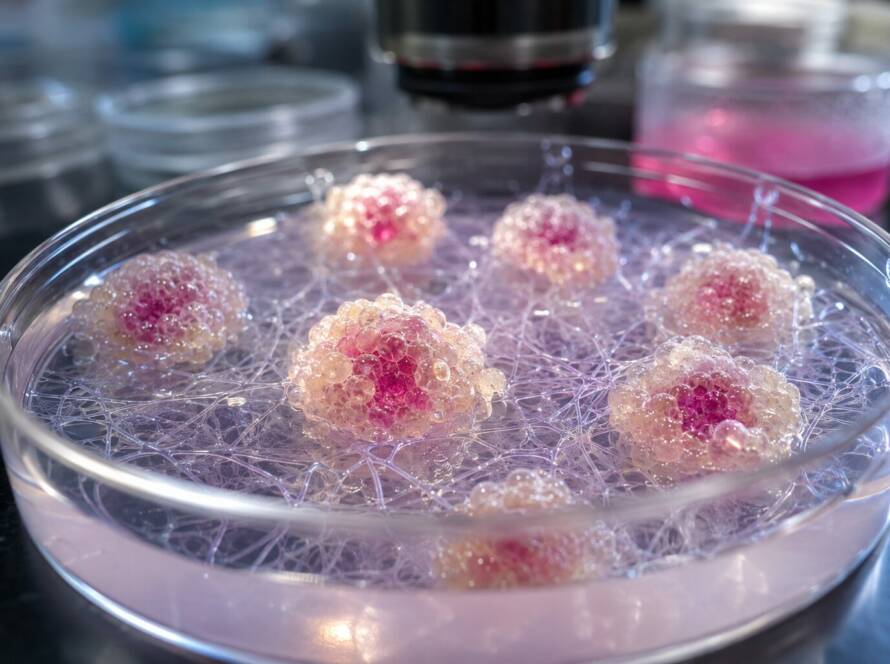
iPSC endothelial disease models are emerging as powerful tools to study vascular disorders and enable predictive, patient-specific therapeutic strategies. The advent of induced pluripotent stem cell (iPSC) technology has fundamentally transformed experimental biology by allowing the generation of human cell types directly from patient-derived material. Among these, iPSC-derived endothelial cells (hiPSC-ECs) have gained particular attention due to their central role in vascular homeostasis and disease.
Endothelial cells regulate essential physiological processes, including vascular permeability, inflammation, angiogenesis, and metabolic exchange, and their dysfunction is implicated in a wide spectrum of cardiovascular and cerebrovascular diseases. By preserving the genetic background of individual patients, iPSC-based systems provide a unique opportunity to investigate disease mechanisms in a patient-specific and mechanistically relevant context .
Modeling Vascular Diseases with Patient-Specific Endothelial Cells
The development of iPSC endothelial disease models has enabled the recapitulation of diverse pathological phenotypes in vitro. These systems allow researchers to reproduce disease-associated alterations at both functional and molecular levels, providing insight into the underlying mechanisms of vascular dysfunction.
Notably, hiPSC-ECs have been used to model conditions such as:
- Familial hypercholesterolemia, characterized by impaired LDL uptake and inflammatory activation
- Diabetes-associated endothelial dysfunction, involving oxidative stress and vascular inflammation
- Pulmonary arterial hypertension, linked to dysregulation of BMPR2 signaling pathways
- Cerebrovascular disorders, including CADASIL and Moyamoya disease
These models demonstrate that patient-derived endothelial cells can retain disease-relevant phenotypes in vitro, making them highly valuable for mechanistic studies and translational research .
Toward Predictive and Personalized Therapeutics
A key advantage of iPSC endothelial disease models lies in their ability to capture inter-individual variability in drug response. Experimental evidence shows that endothelial cells derived from different patients can respond differently to the same therapeutic compounds, reflecting the heterogeneity observed in clinical populations.
This variability opens the door to predictive medicine, where in vitro models can be used to:
- evaluate therapeutic efficacy on a patient-specific basis
- identify optimal treatment strategies
- reduce empirical approaches in clinical decision-making
Furthermore, these systems enable the investigation of interactions between genetic predisposition and environmental factors, such as inflammatory stimuli or toxic exposures. As a result, iPSC-derived endothelial models provide a framework for integrated disease modeling and pharmacological testing.
To illustrate how iPSC endothelial disease models capture patient-specific variability in therapeutic response and inflammatory activation, the following schematic summarizes differential drug sensitivity and endothelial signaling across individuals.

Figure : Differential drug response and inflammatory activation in patient-derived endothelial models.
The Role of the Microenvironment in Endothelial Function
Despite their potential, current iPSC endothelial disease models face a critical limitation: the frequent use of simplified and reductionist culture conditions. In many experimental setups, endothelial cells are studied in isolation, under static conditions that do not reflect the complexity of the vascular environment.
However, endothelial cell function is inherently dependent on its microenvironment. As highlighted in the literature, endothelial behavior is regulated by:
- interactions with surrounding cells, including smooth muscle cells, pericytes, and immune cells
- biomechanical forces, particularly shear stress generated by blood flow
- spatial and biochemical gradients within vascular tissues
These factors are essential for maintaining endothelial identity and function. Importantly, the study emphasizes that endothelial cells do not operate as isolated units but as components of a dynamic and interconnected system .
Limitations of Current In Vitro Systems
The absence of physiological context in conventional in vitro systems limits their predictive value. Monoculture approaches fail to capture:
- multicellular communication
- tissue-level organization
- flow-dependent functional responses
As a consequence, these models may not accurately reproduce disease phenotypes or therapeutic outcomes. This limitation is particularly critical when studying complex, multifactorial diseases, where cellular behavior emerges from interactions across multiple biological scales.
The recognition of these limitations has driven the development of more advanced experimental approaches, incorporating co-culture systems and dynamic environments to better approximate in vivo conditions.
Future Directions in Vascular Disease Modeling
Advancing iPSC endothelial disease models requires integrating biological complexity with experimental control. Emerging strategies focus on:
- multicellular systems combining endothelial, stromal, and immune components
- dynamic culture platforms that introduce physiological mechanical stimuli
- high-resolution phenotyping through transcriptomic and functional analyses
These approaches aim to bridge the gap between genetic fidelity and physiological relevance, enabling more accurate modeling of disease processes.
Ultimately, the convergence of patient-derived cells, advanced culture systems, and high-content analysis will support the development of predictive platforms for precision medicine, capable of guiding therapeutic decisions and improving clinical outcomes.
Conclusion
iPSC endothelial disease models represent a major advance in vascular biology, offering unprecedented opportunities to study disease mechanisms and develop personalized therapeutic strategies. By capturing patient-specific genetic information, these systems enable a deeper understanding of vascular dysfunction and treatment response.
However, their full potential depends on overcoming a fundamental challenge: the need to reproduce the complex microenvironment that governs endothelial behavior. As research continues to evolve, integrating multicellular interactions, mechanical cues, and spatial organization will be essential to enhance the physiological relevance and predictive power of these models.
In this context, iPSC-derived endothelial systems are not only tools for experimentation, they are emerging as foundational platforms for the future of predictive and personalized medicine.