Kidney organoids derived from human induced pluripotent stem cells (iPSCs) are opening new opportunities for studying renal diseases and identifying potential therapeutic compounds. By reproducing selected characteristics of human kidney tissues, these three-dimensional models allow researchers to investigate disease mechanisms in a more biologically relevant environment.
However, their application in drug discovery remains challenging. Many organoid protocols involve complex differentiation procedures, limited production capacity, and variability between experimental batches. These limitations can restrict the development of reproducible screening platforms.
Recent advances in 3D suspension culture offer new possibilities for addressing these challenges. In particular, the large-scale generation of ureteric bud organoids provides a promising approach for modeling polycystic kidney disease and investigating molecular pathways involved in cyst formation.
Understanding Polycystic Kidney Disease Through Human Organoids
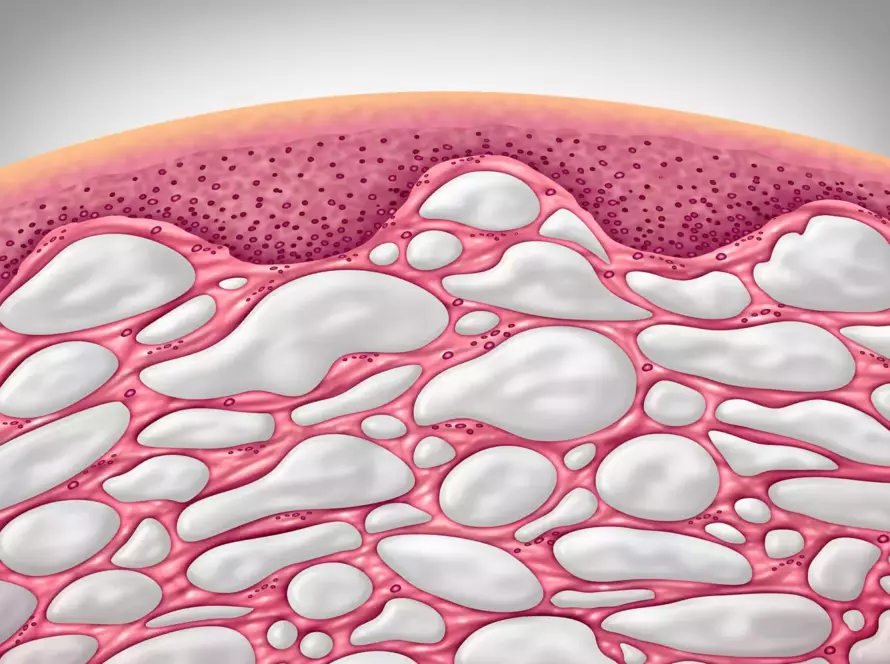
Autosomal dominant polycystic kidney disease (ADPKD) is a genetic disorder characterized by the progressive development of fluid-filled cysts within the kidneys. As these cysts enlarge, they disrupt normal tissue organization and can progressively impair renal function.
Mutations affecting genes such as PKD1 and PKD2 play a central role in disease development. These genes encode proteins involved in cellular signaling and the regulation of renal epithelial function. Their dysfunction can contribute to abnormal epithelial behavior, cyst formation, and progressive tissue remodeling.
Although therapeutic approaches exist, treatment options remain limited. Tolvaptan, a vasopressin V2 receptor antagonist, can slow disease progression in selected patients. However, its use requires careful monitoring, particularly because of potential liver toxicity.
Consequently, researchers continue to investigate new molecular targets and experimental models that can improve our understanding of cyst development.
Human iPSC-derived kidney organoids offer an important opportunity in this context. They allow researchers to generate renal cell populations in vitro and investigate disease-associated changes within three-dimensional tissue-like structures.
Nevertheless, conventional nephron organoids do not always reproduce the collecting duct system adequately. This represents an important limitation because collecting duct-associated structures are particularly relevant to cyst development in ADPKD.
Generating Ureteric Bud Organoids Through 3D Suspension Culture
To address these limitations, researchers have developed an approach for producing ureteric bud (UB) organoids from human iPSC-derived nephron organoids.
The strategy takes advantage of the developmental plasticity of renal epithelial cells. Under defined culture conditions, cells originating from nephron organoids can acquire characteristics associated with ureteric bud tissues.
The process begins with the dissociation of nephron organoids into individual cells, followed by their cultivation in suspension under low-attachment conditions. Specific culture media support the reorganization and differentiation of these cells into three-dimensional structures displaying ureteric epithelial characteristics.
Notably, the researchers demonstrated that approximately 50 initial nephron organoids could generate up to 2,000 ureteric bud organoids within seven days.
This increase in production capacity represents an important development for organoid-based research. Generating large numbers of biological models within a relatively short period can facilitate experimental comparisons and expand the possibilities for compound screening.
Further characterization confirmed the expression of several ureteric epithelial markers, including WNT9B, AQP2, RET, and PAX2. Single-cell RNA sequencing also identified cellular populations expressing markers associated with human fetal ureteric bud tissues.
Together, these findings demonstrate how controlled differentiation and suspension culture can support the production of specialized renal organoids for disease modeling.
Modeling Kidney Cyst Formation With PKD2-Deficient Organoids
A major objective of the research was to reproduce cyst formation associated with ADPKD.
To achieve this, the researchers generated ureteric bud organoids from human iPSCs deficient in PKD2, a gene involved in polycystic kidney disease.
The resulting organoids initially developed structures resembling those obtained from non-mutated cells. However, important differences emerged during subsequent cultivation.
Under specific culture conditions, PKD2-deficient ureteric bud organoids began forming cysts as early as day five. Cyst formation subsequently increased, reaching approximately 95% of organoids by day 25, with an average cyst diameter of 222 µm.
This high cyst-forming efficiency is particularly relevant for experimental research. It provides a substantial number of disease-associated structures that can be monitored and compared under different treatment conditions.
The cystic organoids also displayed changes in molecular pathways associated with disease progression. These included alterations in YAP1, STAT3, and NF-κB signaling, alongside increased expression of genes involved in inflammation and extracellular matrix remodeling.
These observations indicate that the model reproduces selected cellular and molecular features associated with polycystic kidney disease.
However, organoid-derived cysts remain simplified representations of human renal pathology. Their biological characteristics and maturation state must therefore be considered when interpreting experimental results.
From Organoid Production to Drug Screening
The ability to generate large numbers of cystic organoids creates new opportunities for investigating potential therapeutic compounds.
Traditional drug screening approaches require experimental models that are sufficiently reproducible, scalable, and compatible with quantitative measurements. In the context of ADPKD, cyst size and cyst number provide useful parameters for evaluating treatment responses.
The researchers developed an experimental assay to monitor cyst growth and assess the effects of selected molecules.
Initial experiments investigated compounds associated with pathways previously implicated in cyst development. These included the NF-κB inhibitor QNZ and the BET protein inhibitor JQ1.
Both compounds influenced cyst formation, although their effects differed according to concentration and experimental conditions.
JQ1 reduced cyst number and size at selected concentrations without detectable toxicity in the evaluated renal organoids at 1 µM. In contrast, QNZ demonstrated toxicity at certain concentrations, highlighting the importance of assessing both biological efficacy and cellular viability.
Interestingly, the organoids did not respond to tolvaptan, a clinically used treatment for ADPKD. Further analysis suggested that this response was associated with insufficient expression of the vasopressin V2 receptor (AVPR2).
This observation illustrates an important limitation of organoid-based drug screening. Although these models can reproduce specific disease characteristics, their differentiation and maturation states may influence how they respond to therapeutic compounds.
Therefore, careful biological characterization remains essential before interpreting drug sensitivity or resistance.
Identifying TLR4 Signaling as a Potential Therapeutic Target
One of the most interesting findings emerged from the screening of a library containing 305 small molecules.
The researchers identified a compound, designated M1, that reduced cyst formation in PKD2-deficient ureteric bud organoids.
Further investigation suggested that M1 could interfere with Toll-like receptor 4 (TLR4) signaling, a pathway involved in innate immune responses and inflammatory regulation.
Molecular analysis revealed increased TLR4 expression in cystic organoids compared with non-mutated controls. Several endogenous molecules associated with TLR4 activation were also elevated, suggesting a possible relationship between cyst development and inflammatory signaling.
To investigate this mechanism, the researchers evaluated the effects of TAK-242, a known TLR4 inhibitor.
TAK-242 produced a concentration-dependent reduction in cyst number and size without detectable toxicity in the evaluated organoids at the tested concentrations.
Conversely, stimulation of TLR4 signaling with lipopolysaccharide increased cyst size. This response was reduced when TAK-242 was administered alongside the activating stimulus.
Together, these observations support a potential role for TLR4 signaling in regulating cyst growth.
However, these findings remain preclinical. Further investigations are required to determine whether targeting TLR4 could provide therapeutic benefits in patients with ADPKD.
Why Scalable 3D Organoid Culture Matters
The development of organoid-based drug discovery platforms depends on more than reproducing disease-associated biological features.
Researchers must also generate sufficient numbers of organoids while maintaining consistent cellular identity, morphology, and experimental behavior.
This is particularly important for screening applications, where differences between individual organoids or production batches can complicate the interpretation of treatment responses.
Three-dimensional suspension culture offers opportunities to develop workflows that support the generation and handling of large numbers of cellular structures.
In the case of ureteric bud organoids, suspension-based cultivation contributed to the production of specialized renal models that could subsequently be used in cyst formation and drug response assays.
However, increasing organoid production does not automatically guarantee biological consistency. Differentiation efficiency, cellular composition, maturation, and culture conditions must still be carefully evaluated.
These considerations highlight the importance of combining scalable cultivation methods with rigorous biological characterization and standardized experimental procedures.
Controlled 3D Cell Culture and the Future of Organoid Research
As organoid technologies advance, maintaining controlled experimental environments becomes increasingly important.
Organoids are complex multicellular structures whose development depends on interactions between cellular populations, biochemical signals, and physical culture conditions.
Changes in nutrient availability, mechanical stimulation, or cellular organization can influence their growth and functional characteristics. Consequently, researchers must carefully consider how cultivation conditions affect the reproducibility of organoid-based experiments.
In this context, controlled 3D cell culture technologies represent an important area of development.
For example, Cellura’s SoftXS™ technology provides a low-shear environment designed for three-dimensional cell cultivation. Such approaches may be relevant when investigating culture strategies for suitable cellular aggregates and organoid models.
Nevertheless, compatibility with ureteric bud organoids, renal differentiation protocols, and cyst-based screening assays would require dedicated experimental validation.
More broadly, advances in controlled cultivation, biological characterization, and process standardization could help researchers develop more reliable workflows for organoid production and drug discovery.
Toward More Predictive Models for Kidney Disease Research
Human iPSC-derived kidney organoids represent an important advancement in the study of renal diseases.
By generating ureteric bud organoids in suspension, researchers have demonstrated the possibility of producing large numbers of specialized renal structures suitable for investigating cyst formation.
The development of PKD2-deficient cystic organoids further provides a model for studying molecular mechanisms associated with ADPKD and evaluating potential therapeutic compounds.
Importantly, the identification of TLR4 signaling as a pathway influencing cyst growth illustrates how organoid-based screening can reveal new directions for therapeutic research.
Nevertheless, several challenges remain. Organoid maturation, biological variability, drug response predictivity, and experimental reproducibility must be addressed before these models can support broader translational applications.
Continued advances in 3D organoid culture, stem cell differentiation, and standardized drug screening could contribute to more representative disease models and accelerate the identification of potential therapeutic strategies for kidney disorders.